
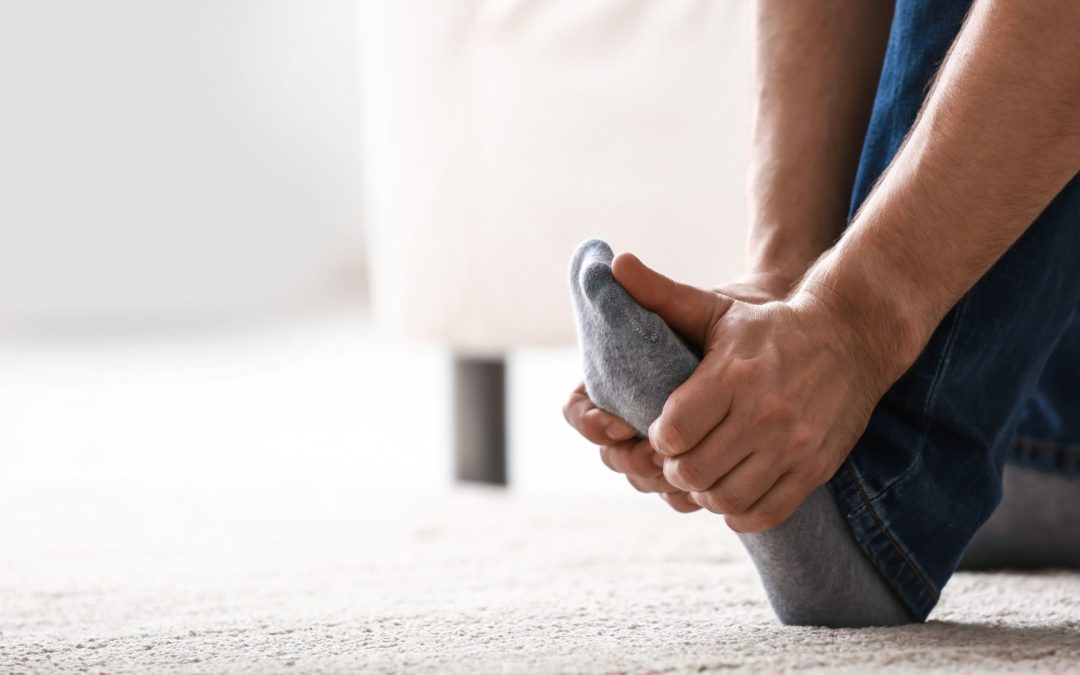
Staying active is important, but too much strain on your body without enough rest can lead to injury—especially stress fractures. These small cracks in the bone are often caused by overuse, and they can get worse if not treated early.
If you’re dealing with ongoing pain that doesn’t seem to go away, it’s important to listen to your body. Pushing through it might seem tough—but in the long run, it could set you back even more.
What Is a Stress Fracture?
A stress fracture is a tiny crack in a bone. It usually happens from doing the same movement over and over—like running, jumping, or long walks—without giving your body time to recover.
Common places stress fractures happen include:
- Feet
- Shins
- Ankles
- Hips
These injuries often show up in athletes, runners, or anyone who suddenly increases how much they move or train.
Signs You Might Have a Stress Fracture
Stress fractures can be tricky because the pain often starts small. It may feel like a mild ache that gets worse with activity. Over time, that pain can become sharper or more focused in one spot.
Common signs include:
- Pain that worsens during movement but improves with rest
- Swelling or tenderness in one area
- Pain that returns every time you repeat the same activity
- A feeling of weakness or discomfort in a specific bone
Only a medical provider can confirm if it’s a stress fracture, often using imaging like an X-ray or MRI.
Why Resting Matters
If you keep moving on a bone that’s already stressed, the crack can grow—and so can your recovery time. What could have taken a few weeks to heal might take months if the injury becomes more serious.
Taking time to rest, reduce activity, and follow medical advice can help prevent the injury from getting worse.
What to Expect from Treatment
Treatment plans for stress fractures vary, depending on the location and severity of the injury. Some common approaches may include:
- Rest and time off from high-impact activities
- Protective footwear or braces
- Physical therapy to rebuild strength safely
- Gradual return to movement, based on how your body heals
An orthopedic specialist can help build a personalized plan that fits your needs, your lifestyle, and your goals for healing.
Prevention Tips
While not every injury can be avoided, there are ways to reduce your risk:
- Increase activity levels slowly, not all at once
- Wear proper shoes for your activity
- Cross-train with low-impact exercises like swimming or biking
- Get enough rest between workouts
- Listen to your body—don’t ignore pain that keeps coming back
When to Get Help
If you’ve been dealing with ongoing pain, don’t wait to get it checked out. Early care can often mean faster healing and fewer long-term problems.
Think you might have a stress fracture?
Talk with the orthopedic team at Franklin County Medical Center. We’ll help guide your next steps and work with you to support a safe, full recovery.